The Tragedy of Kokushibo: Why His Jealousy is Demon Slayer’s Best Arc
3d ago
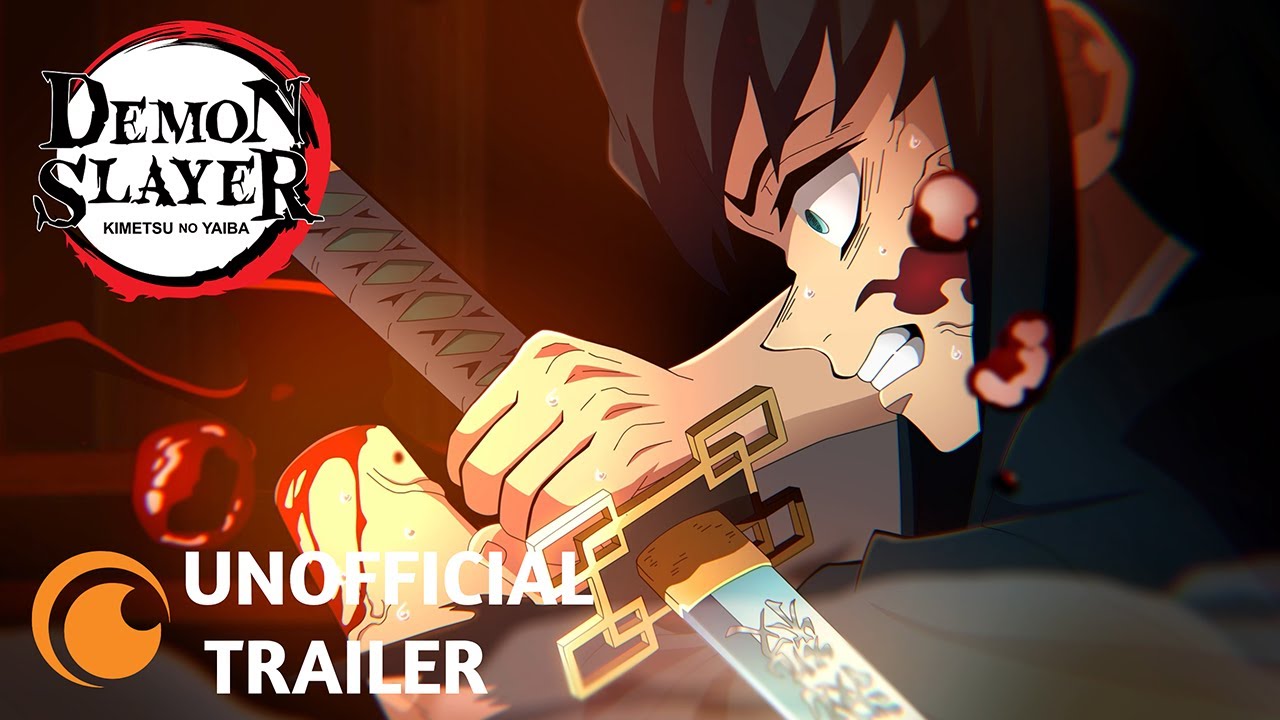
An in-depth character study of Upper Moon One, exploring how Kokushibo's centuries-long resentment of his brother Yoriichi forged a monstrous power arc fueled by tragic, human weakness.
Quick Takeaways
- Explores the tragic sibling rivalry between Michikatsu (Kokushibo) and Yoriichi, the creator of Sun Breathing.
- Analyzes the symbolic design of Kokushibo's six eyes and his Moon Breathing style.
- Highlights the emotional climax of his battle in the Infinity Castle and the tragic significance of the wooden flute.
We came to the Infinity Castle for the mind-bending gravity shifts, the impossible geometry, and the jaw-dropping spectacle of ufotable’s peak animation. But as Demon Slayer: Kimetsu no Yaiba Infinity Castle reaches its emotional crescendos, we are reminded of what actually makes Koyoharu Gotouge’s story transcend standard shonen fare: its devastatingly human villains. Nowhere is this more apparent than in the towering, multi-eyed terror of Upper Moon One, Kokushibo.
Kokushibo is not merely a final boss standing in the way of our heroes; he is a mirror reflecting the darkest depths of the human ego. His journey from the respected samurai Michikatsu Tsugikuni to Muzan Kibutsuji’s strongest soldier is a masterclass in how toxic comparison can rot a soul from the inside out, proving that his greatest enemy was never the Demon Slayer Corps—it was his own brother’s shadow.
The Shadow of the Sun: Born in the Light of Yoriichi
To understand the monster Kokushibo became, we have to look back to the Sengoku period, where he was born as Michikatsu Tsugikuni. From the moment of their birth, Michikatsu was groomed to be the heir of their samurai clan, while his twin brother, Yoriichi, was treated as an unwanted omen. Yet, the cosmic joke of their existence was that Yoriichi was born a natural god of combat, effortlessly mastering the Transparent World and the legendary Sun Breathing.
Michikatsu’s tragedy is incredibly relatable, even if his actions are monstrous. He worked himself to the bone, abandoned his wife and children, and dedicated every waking second to mastering the sword. Yet, no matter how hard he trained, Yoriichi remained lightyears ahead without even trying. This disparity gave birth to Moon Breathing—a style created not out of pure inspiration, but as a desperate, bitter imitation of the Sun. It is a beautiful, chaotic style characterized by crescent-shaped blades, symbolizing a light that can only reflect another’s brilliance rather than shine on its own.
The Deal with the Demon: Fleeing the 25-Year Curse
When the Demon Slayer Mark began appearing among the swordsmen of the Sengoku era, it brought with it a terrifying caveat: those who awakened it would die by the age of 25. For Michikatsu, this was a death sentence to his ambition. He had spent his entire life trying to catch up to Yoriichi, and now his time was being cut short.
It was this fear of mortality—and more importantly, the fear of dying without ever surpassing his brother—that made him prime prey for Muzan Kibutsuji. By accepting Muzan’s blood, Michikatsu traded his humanity, his name, and his honor for infinite time. He became Kokushibo, a creature dedicated solely to the pursuit of martial perfection.
The Irony of the Six Eyes
Ufotable’s design for Kokushibo in the Infinity Castle arc is nothing short of striking, particularly his six yellow eyes. This design is not just for visual terror; it is deeply symbolic.
- The Obsession with Vision: Kokushibo grew six eyes because he was obsessed with seeing everything, desperate to perceive the "Transparent World" that Yoriichi accessed naturally.
- Literal and Metaphorical Blindness: Despite having three times the vision of a normal human, Kokushibo remained completely blind to the truth of his own existence. He could see every muscle fiber of his opponents, yet he could not see how far he had fallen from the noble samurai he once aspired to be.
The Shattered Mirror and the Broken Flute
The climax of Kokushibo’s arc in the Infinity Castle is one of the most poetically tragic sequences in modern anime. When faced with the combined, desperate efforts of Gyomei Himejima, Sanemi Shinazugawa, Muichiro Tokito, and Genya Shinazugawa, Kokushibo is pushed to his absolute limits. He regenerates his head, achieving a monstrous, insectoid form that should make him invincible.
But the turning point isn't physical; it is spiritual. Catching a glimpse of his own reflection in Sanemi’s polished blade, Kokushibo is struck by a wave of profound disgust. He wanted to be a proud samurai, the strongest warrior in the land. Instead, he looks at a grotesque, multi-eyed beast that feeds on human flesh.
In his final moments, we learn the ultimate, heartbreaking truth: despite centuries of claiming to hate Yoriichi, Kokushibo carried the small, poorly made wooden flute he had gifted to his brother when they were children. Yoriichi had kept that flute until the day he died of old age, and Kokushibo kept it close to his heart for hundreds of years. He didn't want to destroy the Sun; he just wanted to be loved by it. He wanted to be Yoriichi.
A Legacy of Tragic Splendor
Kokushibo’s arc works so well because it avoids the cliché of a villain who is evil for the sake of being evil. He is a cautionary tale about the poison of comparison. His centuries of torment, his monstrous power, and his ultimate defeat all stem from a very human vulnerability: the agonizing feeling of never being good enough.
As we watch his tragic end unfold in the gorgeous, haunting halls of the Infinity Castle, Kokushibo stands tall as one of the most compelling, beautifully written antagonists in anime history.
Don't miss a single frame of this legendary confrontation. Stream Demon Slayer: Kimetsu no Yaiba Infinity Castle now on the Mugen Anime app!
Watch the Trailer
Video: Demon Slayer Infinity Castle Arc Movie Trailer: Kokushibo vs Pillars Part 1 — Romaga_d